
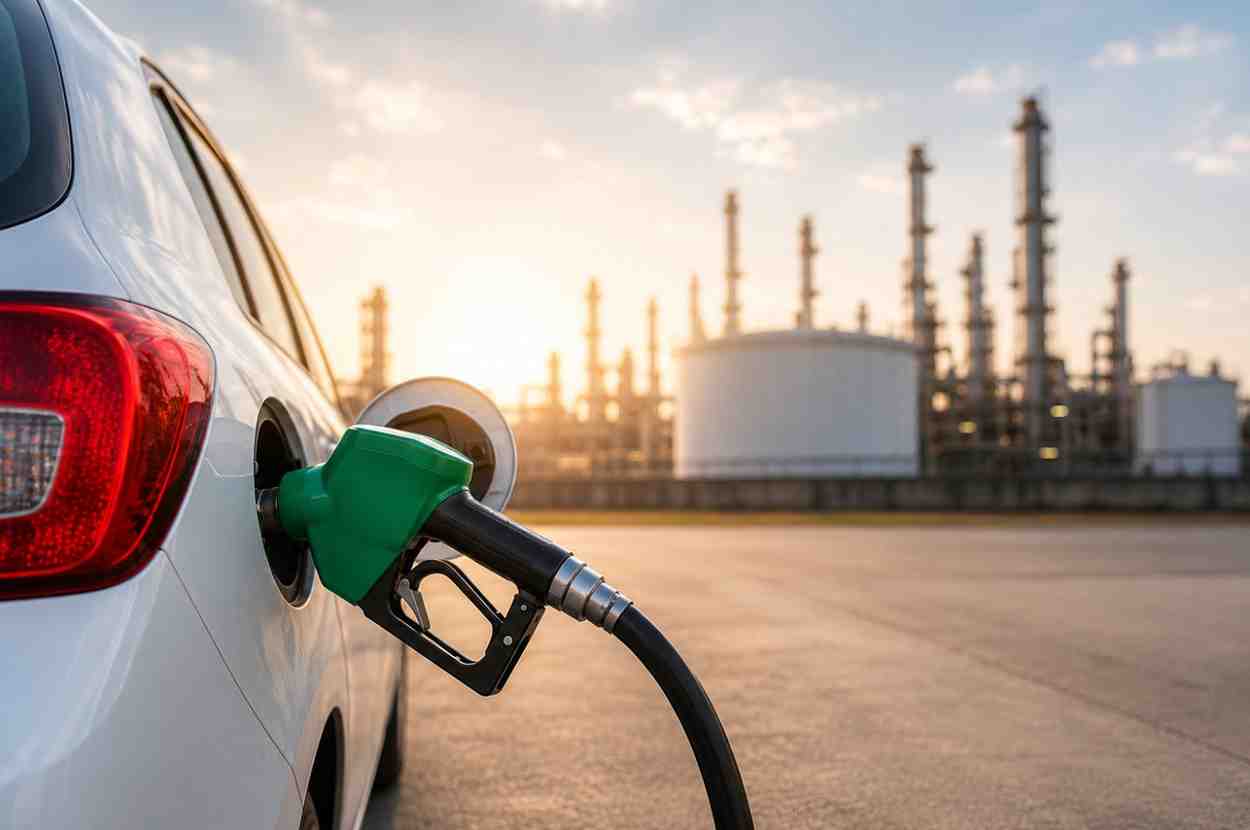
NEW DELHI: India’s transition to E20 petrol has come under intense public scrutiny in recent weeks, with concerns circulating on social media and among some political leaders that the higher ethanol blend could damage vehicle engines, particularly in older models. However, leading experts from the automobile, energy and fuel sectors have strongly defended the fuel, saying years of scientific research, extensive field testing and industry consultation have established that E20 is safe for use in vehicles approved under the government’s rollout plan.
Experts Say E20 Has Undergone Extensive Scientific Testing
Industry representatives said India’s ethanol blending programme is not a sudden experiment but the result of years of research involving government agencies, automobile manufacturers, oil companies and scientific institutions.
Speaking at a press briefing, experts stressed that E20 petrol has been evaluated through laboratory studies, road testing and long-term vehicle performance assessments before being introduced across the country. They maintained that concerns linking E20 directly to widespread engine failures are not supported by scientific evidence.
According to the experts, several manufacturers have been preparing vehicles for higher ethanol blends for years, making the transition smoother than many consumers believe.
Older Vehicles Also Considered During Rollout
One of the biggest concerns among vehicle owners has been whether older petrol vehicles can safely use E20 fuel.
Industry experts said compatibility studies included millions of vehicles manufactured before the nationwide rollout. They explained that manufacturers have accumulated years of service data, which has not shown evidence of widespread engine damage caused solely by E20 fuel.
Automobile companies also stated that vehicles serviced over the years have not displayed any unusual pattern of fuel-related engine failures attributable to ethanol blending.
Fuel Efficiency May Reduce Slightly
Experts acknowledged that E20 petrol may result in a small reduction in fuel economy compared to conventional petrol because ethanol contains less energy per litre.
However, they clarified that the decrease is generally limited to around 3–3.5 percent and should not be confused with engine damage. They dismissed claims circulating online that mileage could fall by 20 to 30 percent, describing such figures as misleading and unsupported by scientific testing.
Industry representatives added that driving habits, vehicle maintenance, tyre pressure, traffic conditions and air-conditioner usage also significantly influence fuel efficiency.
Higher Octane Rating Offers Performance Benefits
Experts pointed out that ethanol has a naturally higher octane rating than conventional petrol, allowing engines designed for such fuel to operate more efficiently.
They explained that higher-octane fuel can support better combustion and improve engine performance, especially in modern engines specifically calibrated for ethanol blends.
Manufacturers believe future vehicle designs will increasingly take advantage of these characteristics as India continues expanding its ethanol programme.
Government Counters Misinformation
The clarification from industry leaders comes amid growing debate surrounding India’s ethanol blending programme.
Several posts on social media have claimed that E20 petrol causes severe engine damage, corrodes components and invalidates insurance claims. Authorities have repeatedly rejected these allegations, stating that misinformation is creating unnecessary confusion among motorists.
Union Petroleum and Natural Gas Minister Hardeep Singh Puri has also urged the public to distinguish between genuine criticism and rumours, saying policy decisions are based on scientific evidence rather than speculation.
Environmental and Energy Security Goals
The E20 programme forms an important part of India’s strategy to reduce dependence on imported crude oil while promoting cleaner fuels.
Increasing ethanol blending helps lower greenhouse gas emissions, supports domestic sugarcane and grain producers, and strengthens India’s long-term energy security by reducing reliance on fossil fuel imports.
Officials say the initiative also contributes to the country’s broader environmental commitments while creating additional economic opportunities for the agricultural sector.
Future Roadmap Includes Higher Ethanol Blends
The government has indicated that E20 represents an important milestone rather than the final stage of India’s biofuel programme.
Future plans include expanding the use of higher ethanol blends in specially designed flex-fuel vehicles after further research, testing and industry preparedness.
Experts emphasised that any future transition beyond E20 will follow the same scientific evaluation process, ensuring vehicle compatibility and consumer safety remain top priorities.
Consumers Urged to Rely on Verified Information
Industry representatives have advised vehicle owners not to rely on unverified social media claims regarding ethanol-blended fuel.
They recommend consulting vehicle manufacturers, authorised dealerships and official government advisories for guidance on fuel compatibility. Experts reiterated that E20 has undergone years of evaluation before nationwide implementation and that there is no evidence of widespread engine failures caused solely by the fuel.
As India accelerates its clean energy transition, experts believe informed public awareness will be essential to ensuring confidence in the country’s expanding biofuel programme while reducing the spread of misinformation.
Click here to join us on WhatsApp Channel and get all the latest news updates