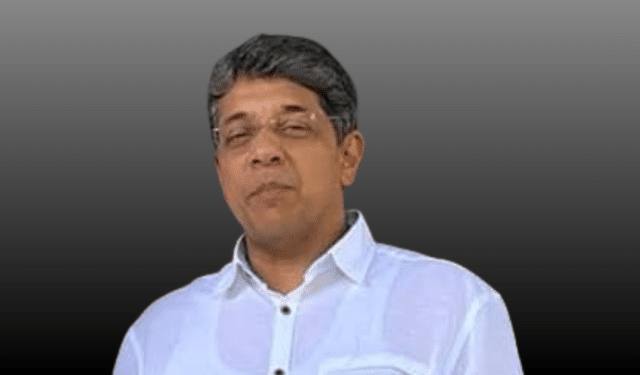
New Delhi: The Central Government has appointed senior IPS officer Mahesh Dixit as the next Director of the Intelligence Bureau (IB), India’s premier domestic intelligence agency. The appointment marks a significant transition in the country’s internal security and intelligence framework, with Dixit set to take charge of one of the most crucial positions in India’s security establishment.
Mahesh Dixit, a 1993-batch Indian Police Service officer, has served in several key intelligence and security roles during his distinguished career. Before being chosen for the top post, he was serving as a Special Director in the Intelligence Bureau and had extensive experience in intelligence operations, counter-terrorism, and national security matters.
The Intelligence Bureau plays a critical role in gathering and analyzing intelligence related to internal security, terrorism, espionage, insurgency, and other threats to national stability. The agency works closely with various state police organizations, central security forces, and other intelligence agencies to safeguard the country’s interests.
Extensive Experience in Intelligence Operations
Dixit has spent a substantial portion of his career working within the Intelligence Bureau. Over the years, he has handled several sensitive assignments and held senior leadership positions in the organization. His experience in intelligence gathering and security management is believed to have contributed significantly to his selection for the top post.
In September 2024, he was elevated to the rank of Special Director in the Intelligence Bureau. Prior to that, he had served as Additional Director and Joint Director within the organization, steadily rising through the ranks due to his expertise and operational experience.
Leadership Transition at a Crucial Time
The appointment comes at a time when India continues to face evolving security challenges, including terrorism, cyber threats, cross-border infiltration, organized crime networks, and emerging technological risks. Intelligence agencies are increasingly focusing on advanced surveillance capabilities, data analysis, and coordinated intelligence-sharing mechanisms to address modern security concerns.
Security experts believe that leadership continuity and operational experience will be vital in navigating these challenges. Dixit’s long association with the Intelligence Bureau is expected to ensure a smooth transition and continuity in ongoing intelligence operations.
Key Responsibilities Ahead
As the new IB Director, Mahesh Dixit will oversee intelligence collection, threat assessment, counter-terrorism coordination, and strategic security planning. He will also play an important role in advising the government on matters related to internal security and national intelligence.
The Intelligence Bureau remains one of India’s oldest and most influential intelligence organizations, operating under the Ministry of Home Affairs. The agency’s assessments often form the basis for security planning, law enforcement strategies, and policy decisions at the highest levels of government.
Career
- Mahesh Dixit belongs to the 1993 IPS batch.
- He has served in multiple senior positions within the Intelligence Bureau.
- He was promoted to Special Director of the IB in 2024.
- He has extensive experience in intelligence operations and internal security matters.
- He succeeds the outgoing leadership at a crucial phase for India’s security apparatus.
Looking Ahead
With Mahesh Dixit taking charge of the Intelligence Bureau, the agency is expected to continue strengthening its focus on national security, intelligence modernization, and coordinated responses to emerging threats. His appointment underscores the government’s emphasis on experienced leadership in key security institutions as India navigates an increasingly complex security environment.
The transition also highlights the importance of intelligence agencies in maintaining internal stability and supporting national security objectives. As the new chief of the Intelligence Bureau, Dixit will be tasked with leading one of the country’s most critical institutions during a period of rapid technological and geopolitical change.