
The United States and Iran have completed the first round of high-level diplomatic talks in Switzerland, marking a significant step in efforts to reduce regional tensions and establish a framework for a broader agreement over the next 60 days. The negotiations, mediated by Qatar and Pakistan, focused on security issues in Lebanon, the future of maritime traffic through the Strait of Hormuz, sanctions relief and the path toward a comprehensive understanding between the two countries.
Switzerland Becomes Centre of Critical Diplomacy
The talks took place at the Bürgenstock resort in Switzerland and brought together senior officials from both nations after weeks of escalating tensions across the Middle East.
The diplomatic engagement follows an interim memorandum of understanding reached earlier this month, which laid out a temporary framework to halt hostilities and begin formal negotiations on unresolved disputes. Both countries have now committed to a 60-day timeline aimed at reaching a more comprehensive agreement.
US Vice President J.D. Vance led the American delegation, while Iranian Foreign Minister Abbas Araghchi headed Tehran’s team. Mediators from Qatar and Pakistan played a crucial role in keeping discussions on track despite several moments of tension.
Key Outcome: Formation of a High-Level Committee
One of the major decisions announced after the meeting was the creation of a High-Level Committee that will oversee future negotiations.
The committee will be responsible for handling some of the most contentious issues between Washington and Tehran, including:
- Iran’s nuclear programme
- Sanctions relief mechanisms
- Verification and enforcement procedures
- Maritime security arrangements
- Regional security concerns
Officials indicated that regular meetings will continue over the next two months to transform preliminary understandings into a formal agreement.
Lebanon Crisis Remains Central Issue
Lebanon emerged as one of the most sensitive topics during the talks.
Both sides agreed to establish a “deconfliction cell” designed to prevent military escalations linked to the ongoing conflict involving Hezbollah and Israel.
The mechanism aims to create a communication channel involving multiple stakeholders to monitor developments and reduce the chances of sudden confrontations that could derail wider diplomatic efforts.
Recent violence in Lebanon had threatened to disrupt the broader peace process. Renewed hostilities between Hezbollah and Israel have repeatedly complicated negotiations between Washington and Tehran.
Strait of Hormuz Security Takes Priority
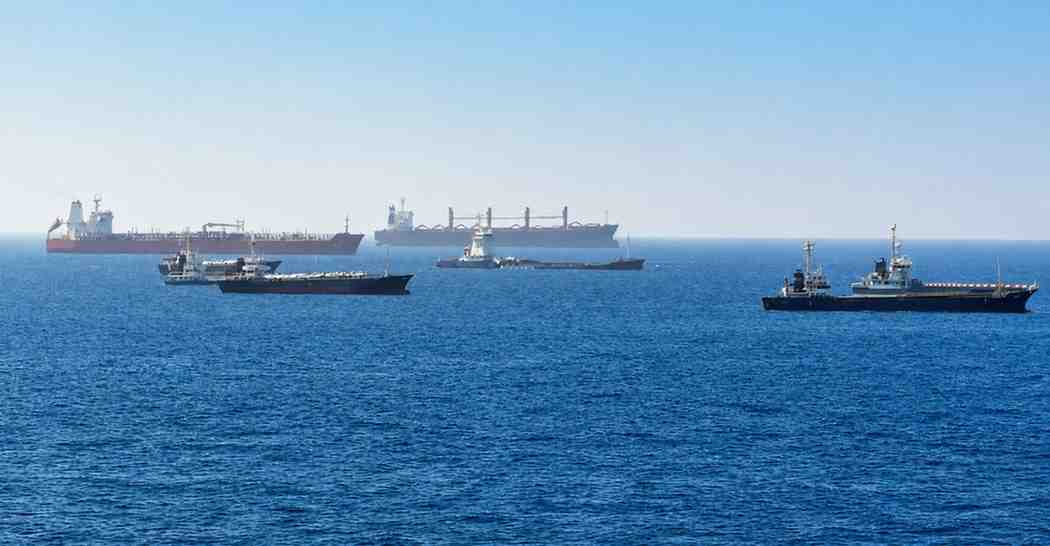
The Strait of Hormuz, one of the world’s most strategically important energy corridors, remained another major point of discussion.
Iran has previously threatened to disrupt shipping routes in response to regional developments and military actions involving Israel and the United States.
Negotiators agreed to establish a 60-day communication mechanism to prevent incidents at sea and ensure safer navigation for commercial vessels passing through the waterway.
Any disruption in the strait carries major global implications because nearly a fifth of the world’s oil trade passes through this narrow channel connecting the Persian Gulf to international markets.
Temporary Setback After Trump’s Remarks
Despite positive developments, the talks experienced an early disruption.
Iranian delegates briefly suspended participation after US President Donald Trump warned that Washington would respond forcefully if Tehran failed to restrain groups aligned with Iran in Lebanon.
The comments generated immediate backlash from Iranian officials, causing a temporary walkout before mediators intervened to revive discussions.
The incident highlighted the fragile nature of the negotiations and the deep mistrust that still exists between both countries despite renewed diplomatic engagement.
Iran Claims Progress on Economic Issues
Iranian Foreign Minister Abbas Araghchi described the discussions as productive and pointed to progress in several economic areas.
According to Iranian officials, conversations included:
- Possible waivers on oil export restrictions
- Access to frozen Iranian assets
- Development and reconstruction initiatives
- Future economic cooperation opportunities
However, many of these measures remain conditional and will depend on future agreements and verification procedures.
60-Day Countdown Begins
Diplomats now face a challenging two-month period.
Negotiators must address longstanding disputes surrounding Iran’s nuclear activities, sanctions relief, regional security and international monitoring mechanisms before a final deal can be signed.
Analysts say the success of these talks will largely depend on whether both sides can maintain diplomatic momentum while preventing new military escalations in Lebanon and avoiding disruptions in the Strait of Hormuz.
Although substantial differences remain, the first round of talks has produced tangible mechanisms for continued engagement. Whether these efforts translate into a durable agreement will become clearer as negotiations continue over the coming weeks.