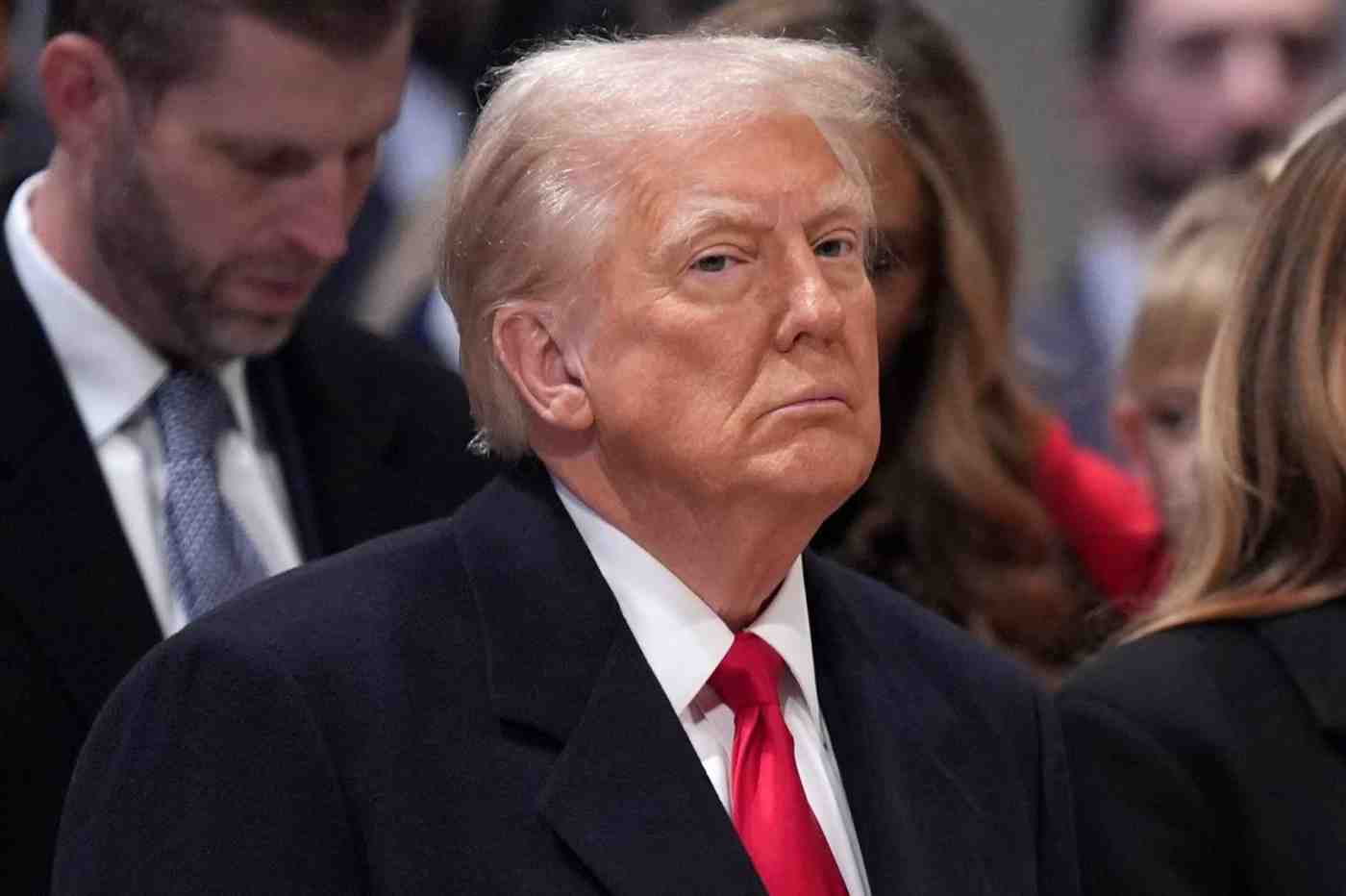
US President Donald Trump has signalled that Washington could soon take a major decision on the Iran conflict, saying he is in “deciding mode” and warning that “very big things” could happen in the near future.
Trump’s remarks came on Sunday, September 20, as tensions between Washington and Tehran remained high and diplomatic efforts to reopen negotiations appeared stalled. The comments also came shortly before Iranian President Masoud Pezeshkian is expected to travel to New York for the United Nations General Assembly.
Trump outlines three possible paths
According to remarks reported from an interview with Fox News, Trump said three broad options were under consideration in dealing with Iran.
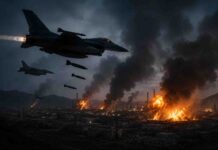
The first involves a major military escalation, which Trump described using highly forceful language. The second would involve maintaining severe economic pressure on Tehran and allowing the Iranian economy to deteriorate. The third option would be reaching a negotiated agreement.
Trump said he was weighing these choices while warning Iran that its actions could determine what Washington does next.
The comments have added uncertainty to an already tense situation, although they do not amount to an announcement that the United States has decided on a particular course of military action.
Trump also indicated that diplomacy remained possible. When asked about meeting Pezeshkian during the UN General Assembly in New York, he said he would “probably be open” to such a meeting.
Iran sends conditions for restarting talks
Trump’s comments came shortly after Tehran said it had communicated conditions to Washington through mediators for restarting discussions and addressing the conflict.
Iranian official Mohsen Rezaei said Tehran had conveyed seven conditions through Qatar, although only three have been publicly identified.
Those three include an end to fighting on all fronts, the release of frozen Iranian funds and an end to the US naval blockade. Rezaei said Iran was waiting for a response from Washington.
The Iranian official also warned that Tehran was prepared for what he described as a “decisive war” if its demands were rejected. At the same time, he said Iran was seeking a way to bring the conflict to an end as quickly as possible.
Strait of Hormuz remains a major flashpoint
The diplomatic standoff is also closely linked to the strategic Strait of Hormuz, a vital route for global energy shipments.
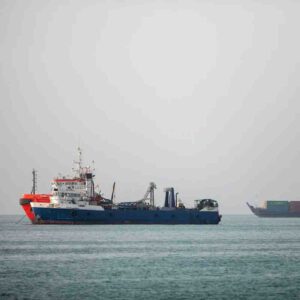
Iranian officials have sought conditions surrounding the reopening of the waterway, while US officials have continued monitoring maritime traffic through the Gulf region.
According to US military officials cited by Arab News, oil, gas and cargo shipments through the Strait of Hormuz reached their highest levels in six months during the previous two weeks.
Any further disruption around the waterway could have wider consequences for energy markets and international shipping, making the situation important beyond the immediate US-Iran confrontation.
Washington weighs pressure and diplomacy
The latest statements indicate that the Trump administration is considering a range of approaches rather than publicly committing to one immediate path.
Earlier reports also indicated that Trump was approaching a major decision point over the conflict and was seeking input from regional partners. Six Gulf countries — Saudi Arabia, the UAE, Qatar, Bahrain, Kuwait and Oman — were expected to engage with Washington around the UN General Assembly.
Also Read | Italy Unveils Tough School Rules As Meloni Plans Burqa Ban And Foreign Student Limits
Meanwhile, Washington has continued to maintain military readiness in the Middle East, while security warnings have been issued to Americans in the region amid concerns about possible escalation. The US State Department has urged Americans to exercise heightened vigilance and warned that the regional security environment could change quickly.
Pezeshkian visit could create diplomatic opening
Pezeshkian’s expected appearance at the United Nations General Assembly could provide an opportunity for direct diplomatic contacts.
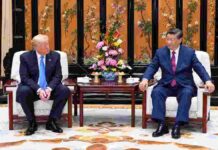
Trump’s indication that he would probably be open to meeting the Iranian president is significant because the two countries remain locked in a confrontation while simultaneously discussing possible conditions for negotiations.
However, no confirmed Trump-Pezeshkian meeting has been announced in the reports reviewed. Any direct encounter would take place against the backdrop of continuing military tensions, competing demands and uncertainty over the next US move.
What happens next
For now, Washington has not publicly announced which of the three approaches Trump will pursue. His comments instead underline that the administration is considering military pressure, economic measures and negotiations.
Tehran, meanwhile, has presented conditions for renewed talks while warning that it is prepared for further conflict if those conditions are rejected.
With the UN General Assembly bringing world leaders together in New York this week, the coming days could therefore see simultaneous diplomatic efforts and heightened security tensions.
The immediate focus remains on Trump’s next decision, Iran’s response and whether diplomatic channels can produce a framework for negotiations before the confrontation escalates further.
Click here to join our WhatsApp Channel for real-time news updates and exclusive coverage