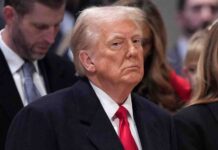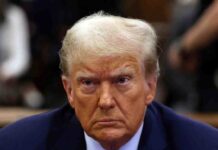
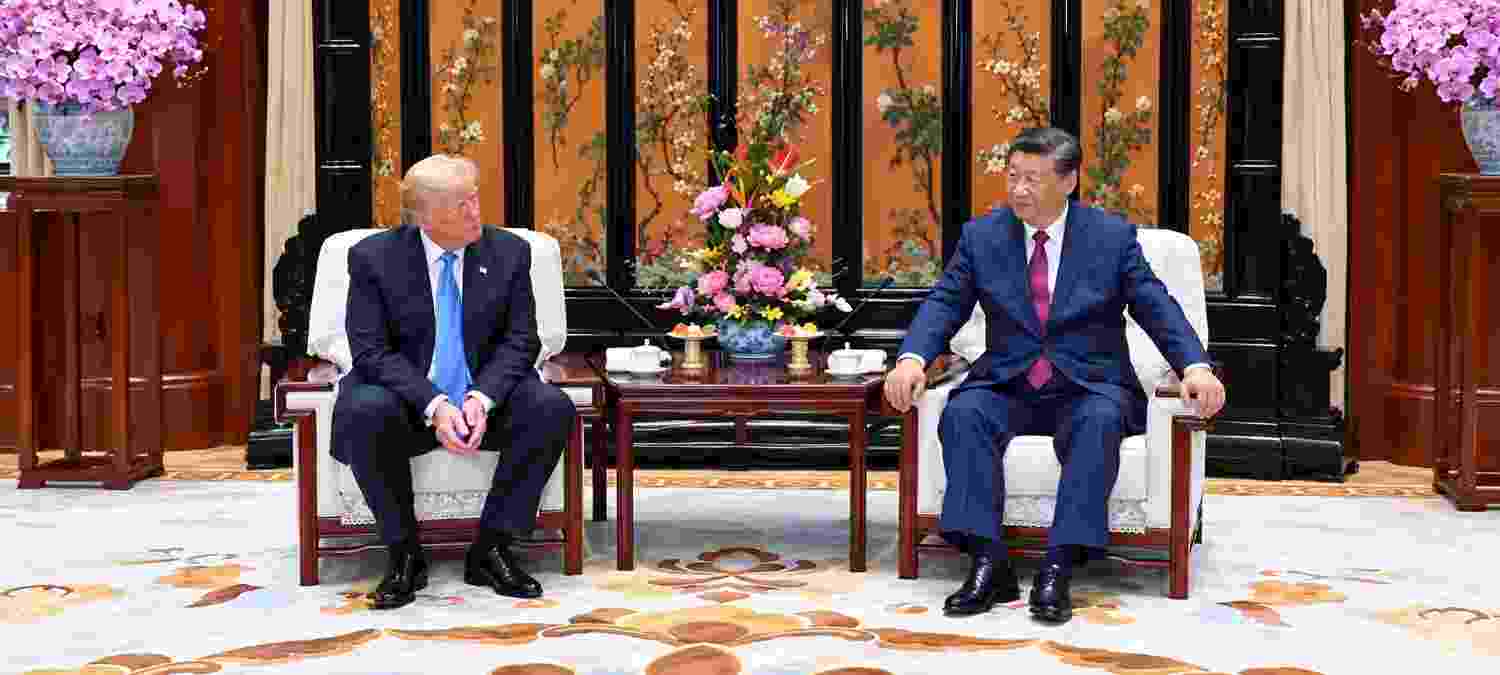
Donald Trump’s increasingly warm tone toward Chinese President Xi Jinping marks a notable shift in Washington’s approach ahead of Xi’s upcoming White House visit. The meeting is expected to focus on trade, technology, artificial intelligence, rare earths and wider strategic tensions between the world’s two largest economies.
Trump previously made China a central target of his economic and political messaging, accusing Beijing of contributing to the decline of American manufacturing and the loss of jobs. After returning to office in 2025, his administration pursued tariffs and tighter restrictions on Chinese technology.
However, Trump’s recent public comments about Xi have been considerably more cordial. He has described Xi as a “great gentleman” and said the two leaders have a good relationship despite their countries remaining competitors.
The change comes as Trump prepares to welcome Xi to Washington for a high-profile state visit. Reuters reported that Trump is also expected to greet Xi at Joint Base Andrews, an unusual gesture for a visiting foreign leader.
Rare earths changed the balance
One of the major factors behind the shift has been China’s influence over rare earth minerals and other critical materials. These resources are essential to electronics, electric vehicles, advanced manufacturing and defence technologies.
Trump’s tariff strategy placed significant pressure on US-China trade, but Beijing responded with its own economic leverage. The resulting confrontation eventually moved toward negotiations and a trade truce rather than producing a decisive change in China’s economic policies.
The issue remains central to the upcoming talks, with agriculture, energy and rare earths expected to feature prominently in discussions between Washington and Beijing.
Trade remains at the heart of the summit
The Trump-Xi meeting comes as both countries attempt to manage a fragile trade relationship. A tariff truce reached after an earlier summit is scheduled to expire on November 10, creating pressure for both sides to find areas of agreement.
US officials have indicated that agriculture and non-tariff barriers could produce announcements during the broader negotiations. American agricultural exports, particularly soybeans, are an important part of the economic relationship.
At the same time, China continues to maintain a huge global trade surplus and has expanded its export presence in sectors including electric vehicles and advanced manufacturing.
Technology and AI add a new layer
Artificial intelligence is emerging as another critical area of competition. Washington and Beijing increasingly view AI as essential to economic growth, technological leadership and military capabilities.
The two countries remain divided over access to advanced semiconductor technology, AI development and allegations involving the use of American AI models by Chinese companies. US officials have accused several Chinese companies of copying American AI products, while Chinese authorities have rejected what they describe as unsupported accusations.
The upcoming summit could therefore bring economic and technological issues together, as both governments seek to protect their strategic advantages while avoiding an uncontrolled escalation.
Taiwan and global security remain sensitive issues
Taiwan is another major point of concern. Any significant change in Washington’s approach could have consequences for US allies across Asia.
Reuters reported that some US allies have expressed concern about whether Trump might soften Washington’s position on Taiwan in exchange for economic progress with Beijing. The issue is particularly sensitive because the United States and China maintain sharply different positions over Taiwan’s status and security.
Also Read | Ukraine Launches Massive Attack With Over 1,000 Drones On Russia, Killing 3 In Moscow
Iran is also expected to form part of the wider strategic backdrop. Trump recently downplayed allegations that Chinese entities had provided satellite imagery to Iran before an attack on a US base in Jordan, while Beijing rejected accusations it had violated international obligations.
What Trump wants from Xi
For Trump, the summit offers an opportunity to demonstrate progress on trade and economic issues while maintaining direct communication with Beijing. Reuters reported that US officials are looking for potential agreements involving agriculture and other trade barriers.
For Xi, the visit provides an opportunity to engage directly with Washington while protecting China’s economic and technological interests. The two governments are simultaneously competing for influence in areas ranging from AI and semiconductors to critical minerals and global supply chains.
The two leaders previously met in Beijing in May, and their upcoming Washington meeting will be their second summit of 2026.
A warmer tone, but rivalry remains
Trump’s softer language toward Xi does not mean the broader US-China rivalry has disappeared. The two countries continue to compete over trade, technology, manufacturing, artificial intelligence, military capabilities and global influence.
The central question surrounding Xi’s White House visit is therefore whether personal diplomacy can translate into concrete agreements. The outcome remains uncertain, with both governments facing domestic economic and strategic pressures.
As Xi prepares to arrive in Washington, Trump’s approach represents a striking contrast with the confrontational China policy that defined much of his earlier political rhetoric. Yet beneath the diplomatic gestures, Washington and Beijing remain engaged in a deep strategic competition whose major disputes are far from resolved.
Click here to join our WhatsApp Channel for real-time news updates and exclusive coverage.