Iran has warned that any renewed US military action could trigger prolonged attacks on American bases and interests across West Asia, adding fresh uncertainty to efforts aimed at ending the ongoing conflict. Tehran’s warning comes as diplomatic efforts remain stalled and tensions surrounding the Strait of Hormuz continue to complicate negotiations.
Iran Warns Against New US Military Action
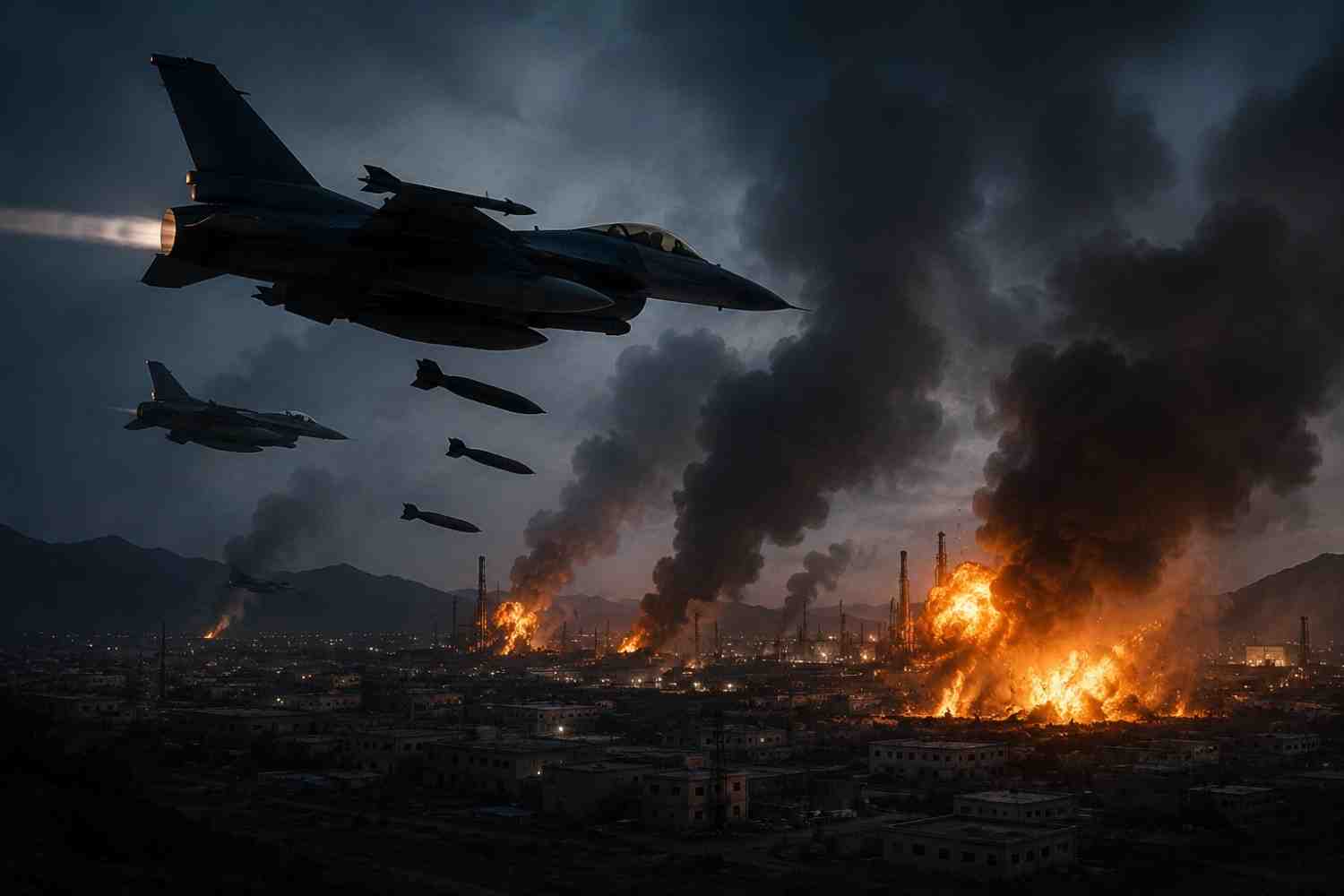
Iran’s central military command said on Sunday that Tehran had received reports indicating the United States, with support from several regional countries, could be preparing for another military operation against Iran.
The Iranian military warned that any new attack would have consequences extending beyond the immediate battlefield. According to Iranian state media, Tehran threatened prolonged strikes against US military bases and American interests across the region if Washington launches another attack.
Iran also cautioned regional countries against assisting any potential US operation. The warning highlights the possibility that the conflict could expand beyond direct US-Iran confrontation if regional facilities or governments become involved.
The latest warning comes amid an already tense military and diplomatic environment following months of fighting that began after US-Israeli strikes against Iran in late February.
Peace Deal Remains Stalled
Diplomatic efforts to end the conflict have failed to produce a breakthrough, with Washington and Tehran remaining divided over key conditions.
Iran has communicated several demands through intermediaries, including Qatar. Iranian officials have said Tehran wants an end to fighting across all fronts, the release of frozen Iranian funds and an end to the US naval blockade before negotiations can move forward.
Iranian officials have also indicated that Tehran is prepared for continued confrontation if its demands are rejected. The statements reflect the widening gap between the two sides at a time when mediators are attempting to bring the negotiations back on track.
Qatar and Pakistan have been involved in efforts to re-establish negotiations after an earlier memorandum of understanding between Washington and Tehran expired.
Strait of Hormuz Becomes Key Flashpoint
The strategic Strait of Hormuz remains central to the crisis. The waterway is one of the world’s most important routes for oil and gas shipments, making its security a major international concern.
Iranian officials have previously linked the reopening of the strait to conditions involving the US naval blockade and other demands. Tehran’s position has complicated efforts to establish predictable shipping arrangements in the region.
Earlier this month, talks involving Iran, Oman and other Gulf states concerning shipping arrangements through the Strait of Hormuz were postponed following an attack involving an Iranian cargo vessel near Qeshm Island. Oman said the postponement was made in the interests of consensus while reiterating its commitment to dialogue and regional stability.
The continued uncertainty around the waterway has implications well beyond the countries directly involved in the conflict because disruptions could affect international energy and commercial shipping.
Regional Countries Face Growing Pressure
Iran’s warning to neighboring countries reflects the increasingly complicated regional dimension of the conflict.
Tehran has specifically warned governments in the region against supporting possible US military action. At the same time, several regional governments are attempting to maintain diplomatic channels and prevent the conflict from spreading further.
Also Read | Daayra: Kareena Kapoor’s Powerful Bold Cop Avatar Breaks Bollywood Stereotypes
International efforts have also focused on keeping communication open between Washington and Tehran. China and Russia have publicly called for an end to military operations and have emphasized diplomacy and regional stability, although their approaches and statements have differed.
The diplomatic challenge is particularly significant because any expansion of military operations could affect Gulf security, energy markets, maritime transportation and wider international trade.
Global Energy Markets Remain Vulnerable
The prolonged confrontation has already disrupted shipping through the Strait of Hormuz, a critical route for global energy supplies. Reduced maritime traffic and military restrictions have increased uncertainty for oil and gas markets.
Recent reporting has indicated that the conflict and restrictions around the strait have significantly affected commercial shipping. The continued standoff therefore carries economic consequences that extend beyond West Asia.
For governments and energy companies, the central concern remains whether the waterway can operate safely and consistently while diplomatic negotiations remain unresolved.
What Happens Next?
The immediate direction of the conflict will depend heavily on whether Washington and Tehran can overcome their differences and return to substantive negotiations.
Iran’s latest warning signals that Tehran is preparing for the possibility of renewed military confrontation while continuing to communicate its conditions through intermediaries. The United States, meanwhile, has previously indicated that negotiations could resume, although positions on the conflict and the Strait of Hormuz remain sharply divided.
With military warnings intensifying and diplomatic efforts still struggling to produce an agreement, the West Asia conflict remains a major security and economic concern. The Strait of Hormuz, regional military bases and the prospects for renewed negotiations are likely to remain key points of international attention in the days ahead.
Click here to join our WhatsApp Channel for real-time news updates and exclusive coverage.