NEW DELHi: The National Commission for Safai Karamcharis (NCSK) has called for the complete elimination of manual scavenging, greater use of mechanised sanitation systems and strict enforcement of labour welfare laws during a high-level review meeting with the New Delhi Municipal Council (NDMC). The meeting focused on improving the working conditions, safety and dignity of sanitation workers while strengthening sanitation services across the national capital’s civic areas.
NCSK reviews sanitation services in NDMC
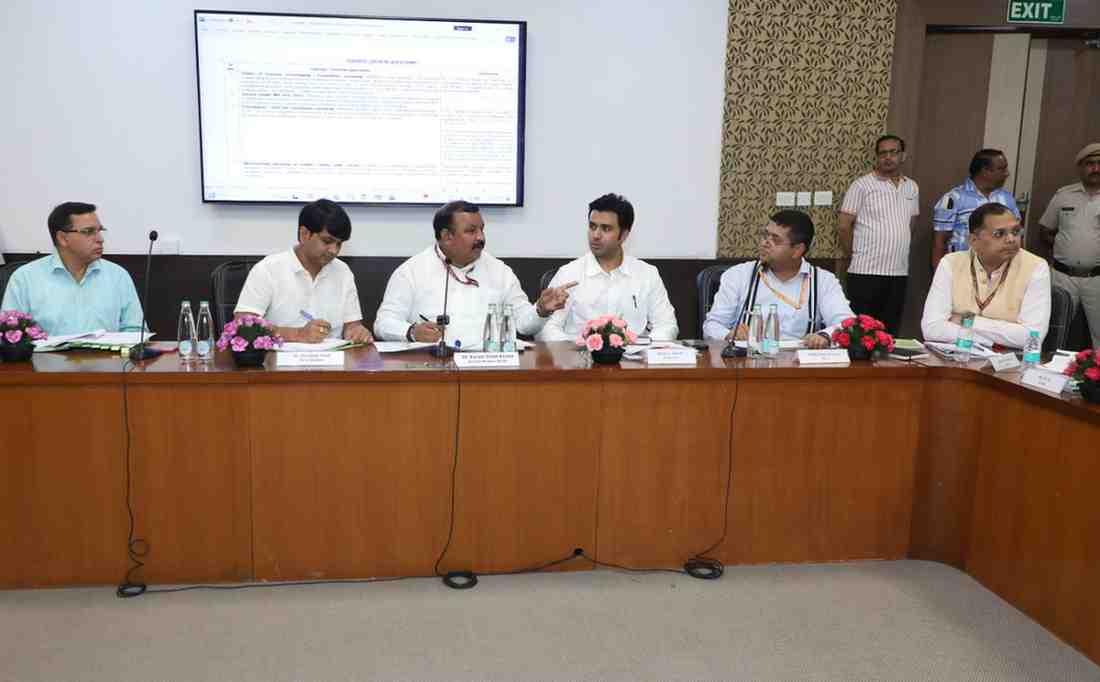
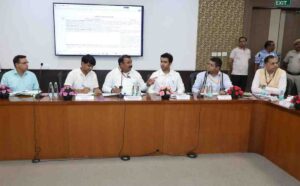
The review meeting was chaired by NCSK Member Karam Singh Karma at the NDMC Convention Centre on Jai Singh Road in New Delhi. Senior NDMC officials, including Secretary Rahul Singh, chief engineers, directors, medical and health officials, sanitary inspectors, representatives of sanitation workers’ unions, outsourced agencies, contractors and sanitation workers from different sanitation circles attended the meeting.
The session examined the present state of sanitation services in NDMC areas and assessed measures needed to improve service delivery while ensuring better welfare and protection for sanitation workers.
The Commission reiterated that sanitation workers remain the backbone of urban cleanliness and deserve safe working conditions, dignity and full access to legal benefits guaranteed under labour laws.
Focus on ending manual scavenging
One of the central themes of the meeting was the complete eradication of manual scavenging and hazardous cleaning practices. The Commission emphasised that sanitation work should increasingly rely on mechanised equipment instead of manual intervention, especially in high-risk operations such as sewer and drain cleaning.
Officials discussed the adoption of modern sanitation technologies that can reduce health risks and improve efficiency. The Commission stressed that mechanisation is essential not only for improving sanitation standards but also for protecting workers from life-threatening occupational hazards.
Departments responsible for sewer maintenance, drainage systems, engineering services and public health were asked to strengthen coordination to ensure safer sanitation practices throughout NDMC areas.
Workers’ welfare takes centre stage
During the meeting, Karam Singh Karma highlighted the vital contribution made by sanitation workers in keeping cities clean and functional. He noted that sanitation workers begin their duties before dawn each day and play a critical role in maintaining public health and civic life.
He also interacted with representatives of sanitation workers’ unions and employee associations, who raised several concerns regarding working conditions, welfare measures and service-related issues.
Also Read: Iran Launches Drone Offensive On US Bases In Kuwait After Jordan Retaliation
The Commission assured workers that their genuine grievances and suggestions had been conveyed to the NDMC administration and that sincere efforts would be made to resolve legitimate demands at the earliest.
Officials reiterated that safeguarding the dignity, safety and welfare of sanitation workers remains a shared responsibility of every civic institution.
Strict compliance with labour laws
The review placed significant emphasis on ensuring that all outsourced sanitation agencies and contractors fully comply with statutory labour welfare provisions.
Representatives of outsourcing agencies were instructed to maintain complete and updated documentation related to contract agreements, Employees’ State Insurance (ESI), Employees’ Provident Fund (EPF) and other mandatory social security benefits.
The Commission underlined that every sanitation worker, irrespective of whether they are employed directly or through outsourced agencies, must receive all benefits guaranteed under law.
Officials warned that there should be no compromise when it comes to workers’ rights, occupational safety and social security protections.
Comprehensive review of sanitation departments
The meeting also assessed the preparedness of multiple NDMC departments responsible for sanitation and civic services.
Officials from sanitation, engineering, public health, sewer maintenance, solid waste management, welfare, establishment, labour compliance and contract management presented detailed reports on their ongoing work and implementation of various welfare initiatives.
The discussions examined existing monitoring systems, service delivery mechanisms and future strategies aimed at enhancing sanitation standards across NDMC jurisdictions.
The Commission stressed that stronger coordination between departments, contractors and worker representatives would help improve both operational efficiency and employee welfare.
Modern sanitation and inclusive urban development
The review highlighted NDMC’s continued efforts to modernise sanitation services through technology-driven operations, improved monitoring systems and enhanced worker welfare programmes.
The Commission observed that achieving high standards of urban cleanliness requires equal attention to the wellbeing of the workforce responsible for maintaining civic infrastructure.
Officials noted that strengthening mechanised sanitation, enforcing labour laws and expanding social security coverage would contribute to safer workplaces and better public services.
The meeting concluded with a renewed commitment by both the National Commission for Safai Karamcharis and NDMC to build a cleaner, healthier and more inclusive urban environment while ensuring dignity, safety and equal opportunities for every sanitation worker.
The review is expected to strengthen accountability among civic departments and outsourced agencies, while reinforcing the government’s broader objective of eliminating manual scavenging and improving the quality of life for sanitation workers through better welfare measures, safer working conditions and full legal protection.
Click here to join our WhatsApp Channel for real-time news updates and exclusive coverage.